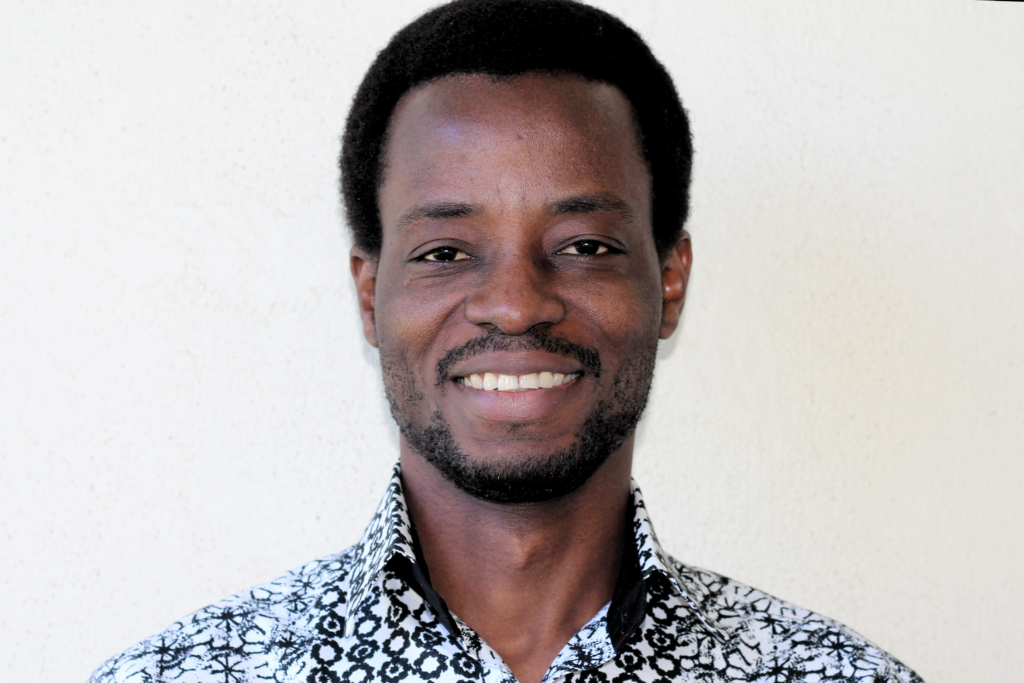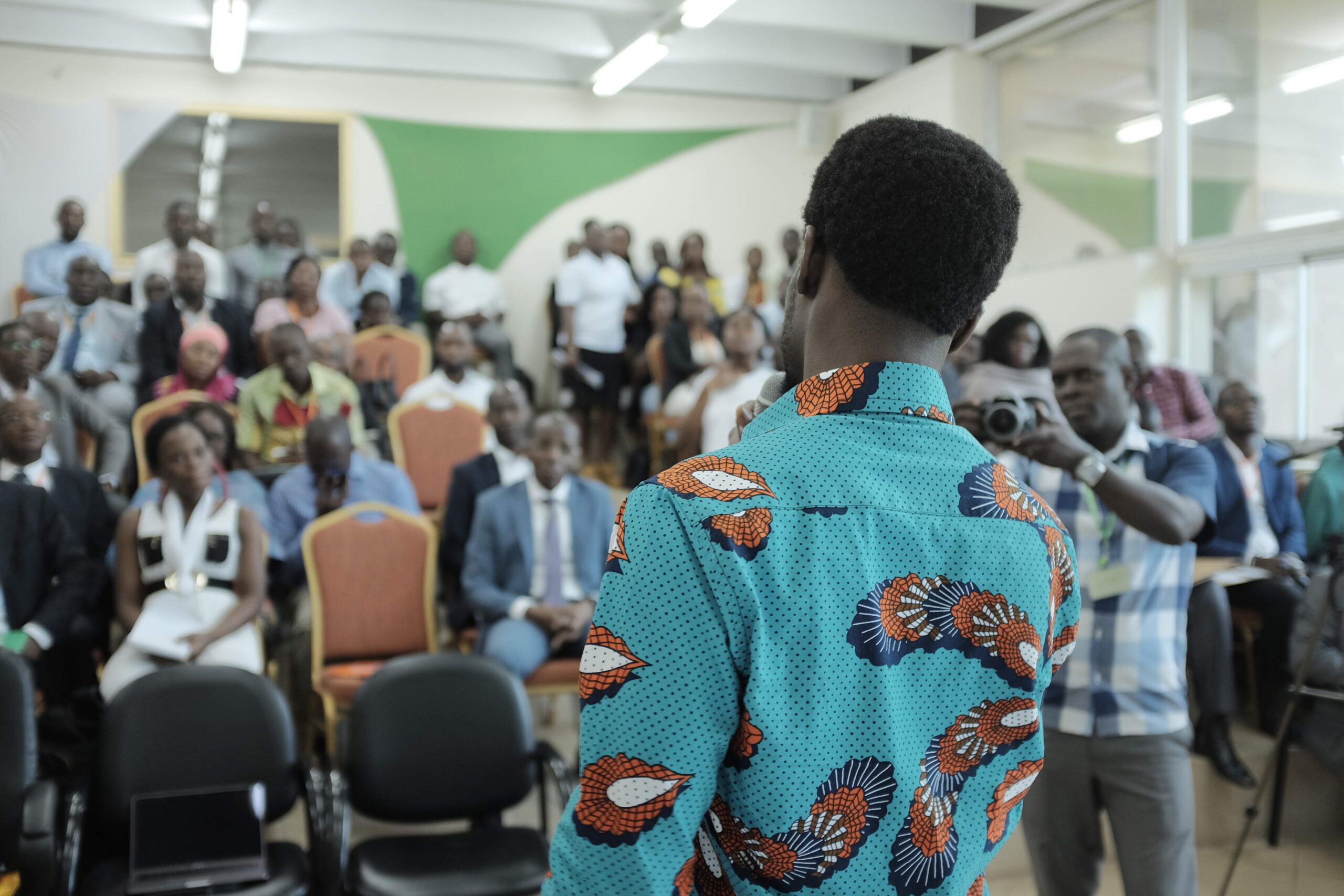
From first encountering the concept of ‘geoengineering’ in 2013 to helping launch a pan-African climate intervention research hub in 2025, Dr Romaric C. Odoulami has rapidly risen to become a leader in the field. We caught up with him to reflect on his journey so far and what’s next.
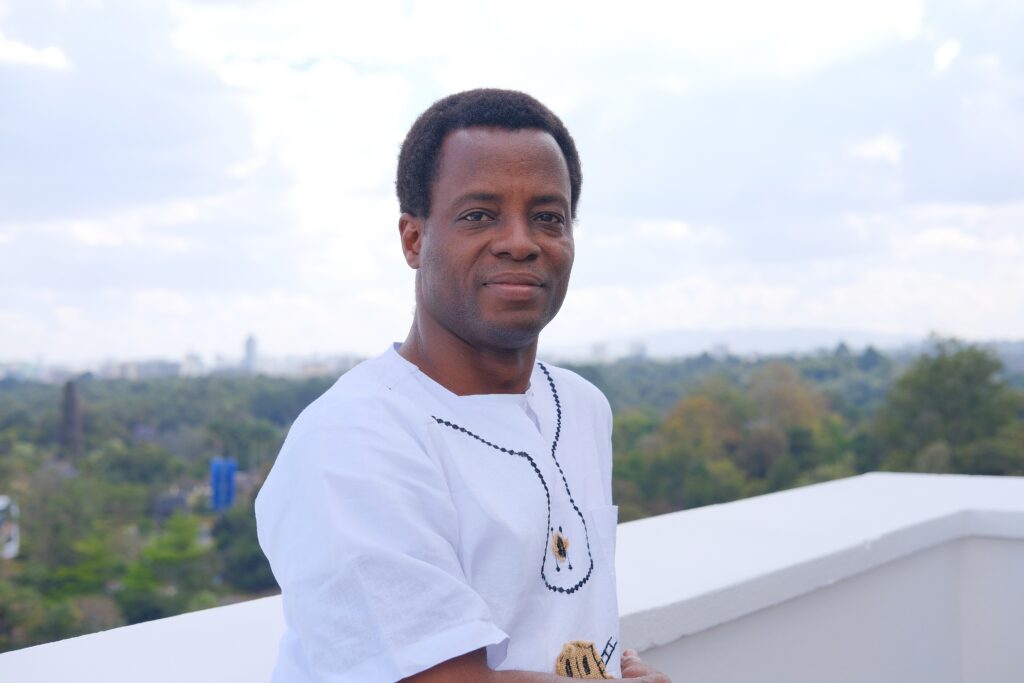
The first encounter with geoengineering
Romaric first came across the term geoengineering during his PhD studies at the Federal University of Technology Akure (FUTA), Nigeria. “I heard the word ‘geoengineering’ for the very first time in early 2013, and I found the concept super cool and worth investigating,” he says.
It was his eventual mentor, Professor Babatunde Abiodun, who introduced the concept. He had just completed a modelling study examining how transforming West Africa’s landscape into forested areas would impact rainfall and temperature over this region.
This is the basic idea behind any kind of geoengineering: that large-scale environmental changes can influence the climate. It captivated Romaric from the outset and eventually led him to research solar geoengineering, or solar radiation modification (SRM) – the idea of reflecting some sunlight back into space to cool the Earth.
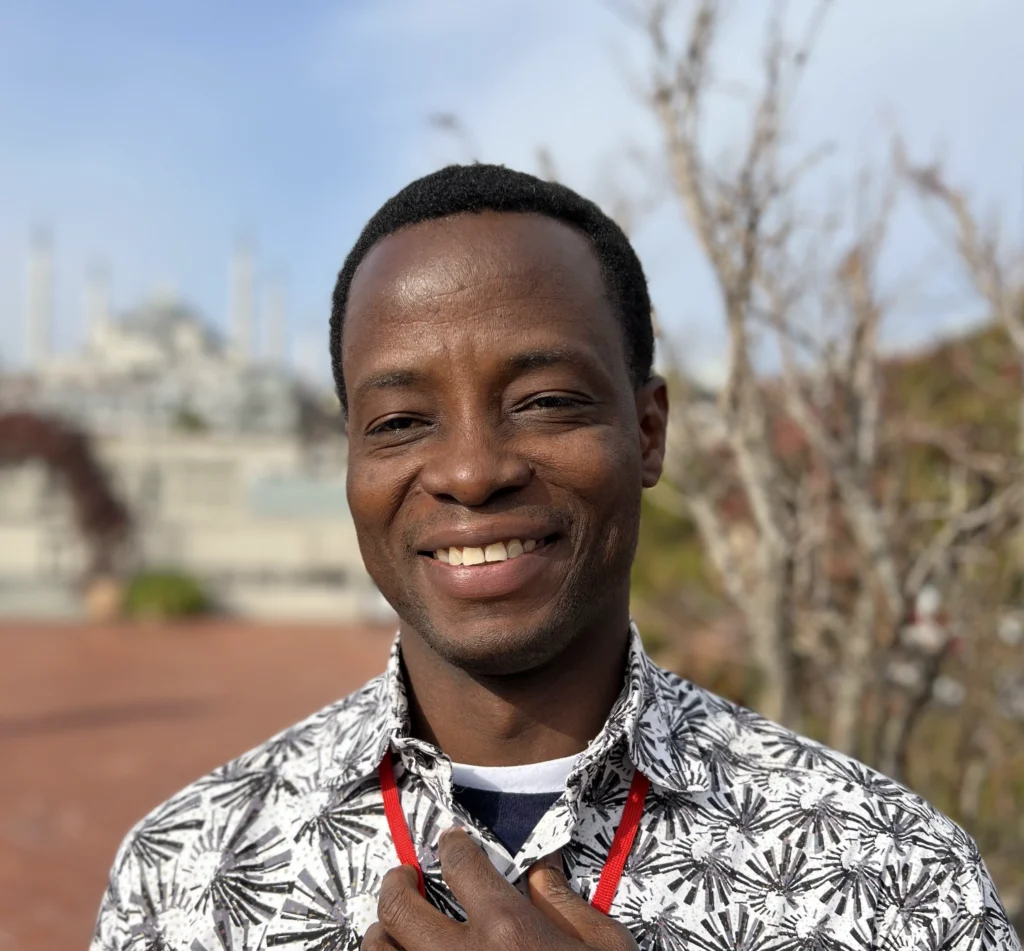
Romaric always knew he wanted to work with climate models, and Babatunde, who was based in South Africa, was conducting exactly the type of research he aspired to pursue. Despite the distance, Romaric made it a priority to have Babatunde as his PhD supervisor. He built his dissertation on that initial work, focusing on how reforestation would affect climate extremes such as heavy precipitation and heatwaves in West Africa.
“A funny fact: I made sure to use the word geoengineering in my thesis primarily because it sounded cool, and despite my limited understanding of what it truly entailed at that time,” he admits.
Making history: leading the first SRM research in southern Africa
By late 2017, Romaric had relocated to Cape Town for a postdoctoral position focused on understanding climate risk in Africa. Shortly after, the Degrees Initiative issued its first call for proposals to fund SRM research in the Global South. Given that his PhD had a geoengineering theme, Romaric was invited to lead the application. What he didn’t realise at the time was that another team from the University of Cape Town was also applying for the same grant.
“That was a little embarrassing to learn later,” he recalls. “But instead of competing, we decided to merge our proposals. In the end, Degrees awarded us the funding.”
This decision proved transformative, making Romaric the Principal Investigator of the first research team to study SRM in South Africa. The team focused on critical questions that became increasingly urgent: How might SRM influence drought risk in Cape Town, which was on the brink of ‘Day Zero’ – a dire situation where water reserves run dry. How could it impact temperature and rainfall across the continent?
The project exceeded expectations, producing the first-ever African-led publication on SRM. Degrees renewed the funding, setting Romaric and his team on a successful path in SRM research.
Growing a global scientific network
By 2022, Romaric was ready to think bigger. Degrees launched a new funding call, and he recognised this as an opportunity for expansion. Romaric reached out to collaborators across different continents, and together they submitted two ambitious proposals: one in partnership with Brazil, exploring how SRM might influence extra-tropical cyclones, and another focusing on the effects of climate interventions on biodiversity, involving colleagues from both Brazil and South Africa. Fast forward to 2025, and both projects are still thriving. They have already published several papers, with more on the way.
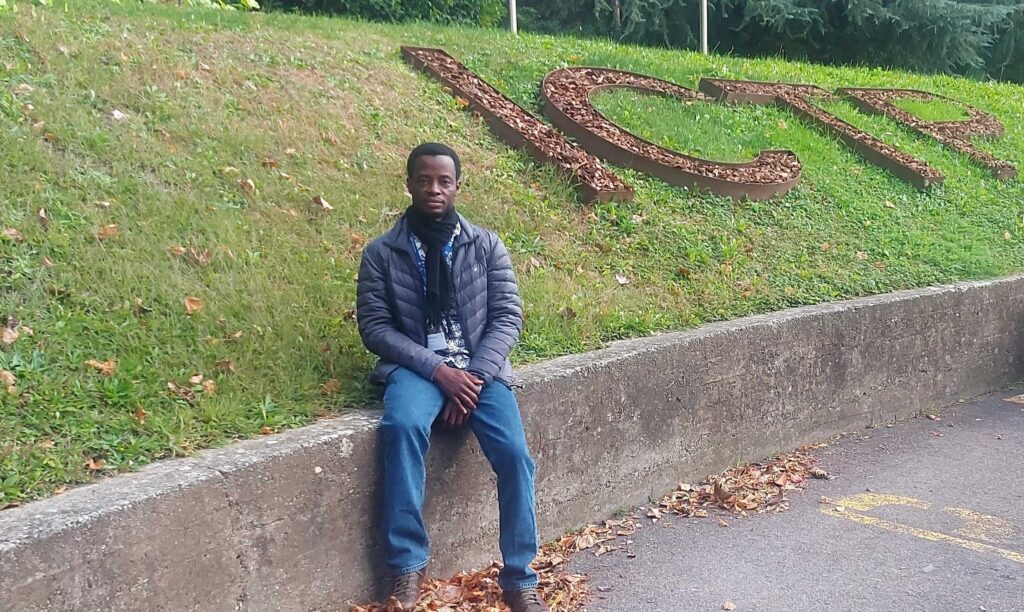
This period marked a pivotal point in Romaric’s career. In 2023, he received recognition from the South African National Research Foundation as a young scientist with the potential to become an international leader in his field. This accolade served as early validation for the work he was developing. That same year, he was awarded an associateship with the International Centre for Theoretical Physics (ICTP) in Trieste, Italy.
“Now, November in northern Italy is not the best time for me,” he jokes. “It was rainy and very cold! But the experience was great. I made connections that continue to shape my work.”
A milestone for African science: the Simons Foundation grant
Romaric’s next step was a big gamble that paid off. The Simons Foundation, a New York City-based organisation dedicated to advancing research in mathematics and science, announced a significant funding opportunity for climate intervention research. “When Degrees shared the announcement with its network, I looked into it and thought, wow! Half a million dollars a year is a lot of money, especially for someone from the Global South.”
From the start, Romaric knew he would need a collaborator. While he could manage the modelling aspect of the project, he required access to the right data. He reached out to Dr Simone Tilmes, a research scientist at the National Centre for Atmospheric Research (NCAR) in the USA, and the two began exploring areas of common interest.
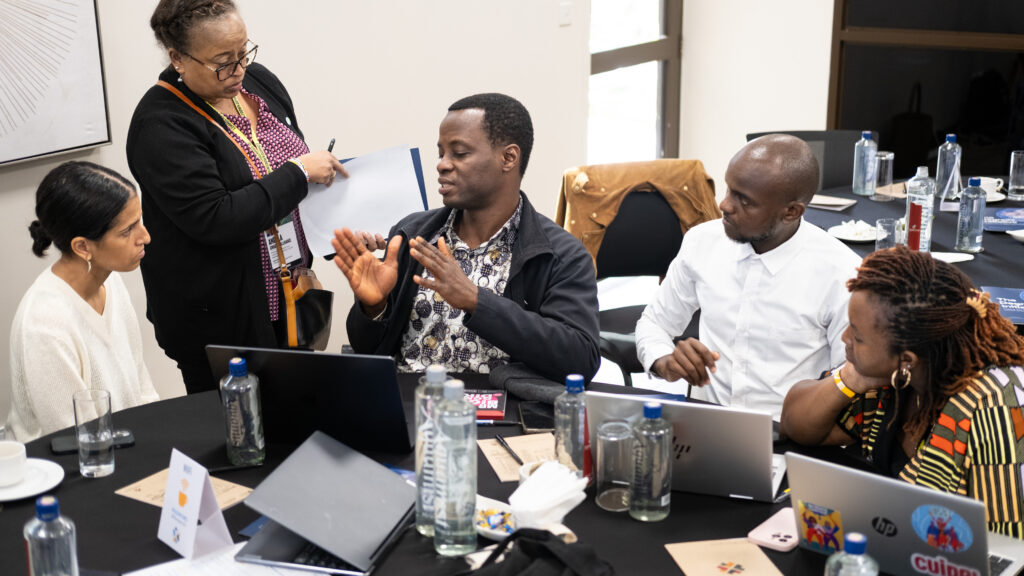
They worked independently at first, developing aligned proposals, and Romaric eventually submitted his application. “People have asked me if I thought I’d be successful or if I was nervous. To be honest, I didn’t think about it at all. I had nothing to lose!”
Months later, he received the news: he had been awarded $1.5 million USD, the largest SRM research grant ever given to a scientist working in Africa, or anywhere in the Global South. “How did I feel? Honestly, I was stressed,” Romaric says. “But I was also happy. I used that energy to focus on the work.”
In the new project, he and a team will investigate how various particles used in SRM might impact Africa, a question that could significantly shape future climate policy on the continent and beyond.
Building the African Climate Intervention Research Hub
In 2024, Degrees partnered with the University of Cape Town (UCT) to host a workshop to explore how to coordinate SRM research across Africa. For Romaric, this meeting became a catalyst not only for research but also for community building.
The discussions led Romaric and fellow Degrees-funded SRM researcher Dr Chris Lennard to launch the African Climate Intervention Research Hub, which was officially unveiled at the 2025 Degrees Global Forum held in Cape Town. Romaric now serves as one of its co-chairs.
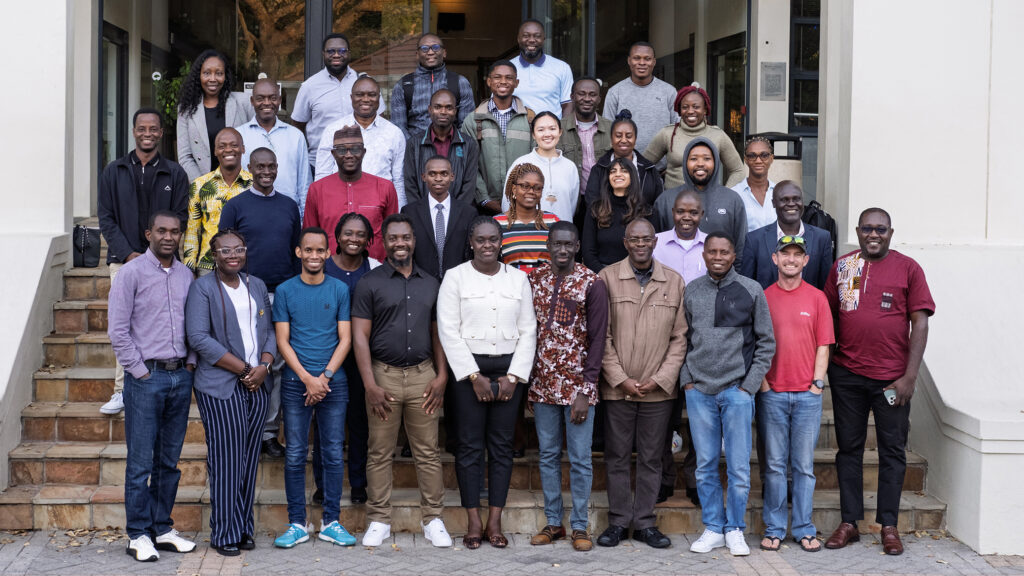
Thanks to the Simons Foundation grant, Romaric was able to bring ten emerging African scientists into the new Hub, ensuring it encompasses a diverse range of regions, perspectives and expertise. This initiative represents not just scientific progress, but also scientific ownership.
“I am genuinely proud to be part of this effort to coordinate climate intervention research in Africa, by Africans and for Africa,” he says.
A new chapter for climate science
In just over a decade, Romaric has transformed a moment of curiosity into a career that is shaping the global future of climate intervention research. He has proven that talent is not confined to one hemisphere and that African scientists will actively participate in decisions that could reshape their climate realities.
In recognition of this, he was named among the 2025 Forbes Sustainability Leaders. “[This] reflects not only my personal achievement, but the collective efforts of colleagues and collaborators who are working tirelessly to ensure that African perspectives are well represented in the global climate intervention discourse,” he says.
His journey, from a young PhD student discovering a new field to becoming an international collaborator, a major grant recipient and a community builder, provides a new model for climate leadership.
“With the right people, and the courage and boldness to take action, big things can happen. This is just the beginning. Africa has a vital voice in this conversation, and we are only getting louder.”