Summary
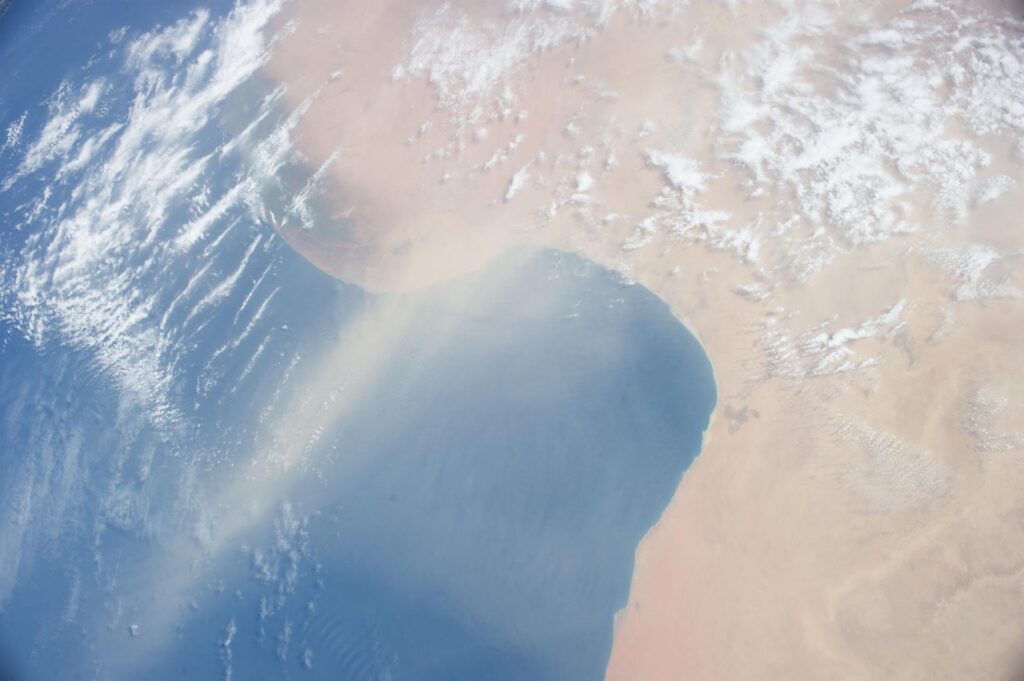
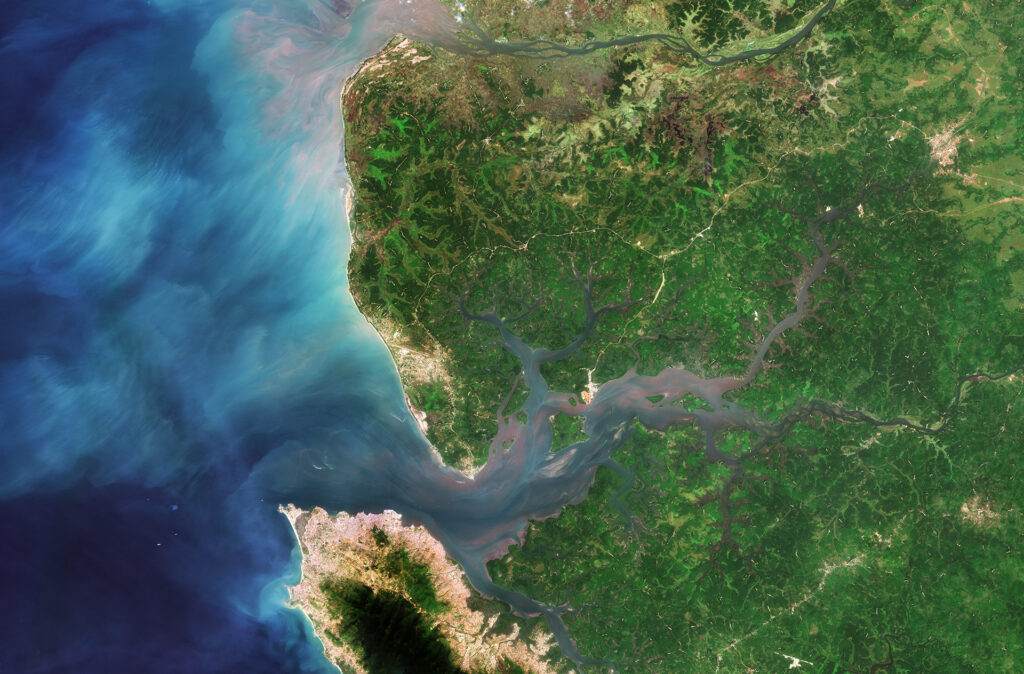
Sea surface temperature in the Gulf of Guinea plays a central role in the distribution of rainfall and the region’s annual monsoon, which is essential for West African rain-fed agriculture. It also affects marine life, and therefore fisheries, which provide an important source of nutrition and income for regional communities.
Under a high global warming scenario, sea surface temperatures in the Gulf are expected to rise by more than 1.5°C, causing considerable disruption to regional economies. The paper found that SRM could reduce that rise, albeit by different mechanisms in different areas. However, it may also slightly overcompensate for the effects of climate change in the northern Gulf of Guinea.
Abstract
Among techniques proposed to limit global warming, there is Stratospheric Aerosol Geoengineering (SAG) which is aiming to increase Earth-atmosphere albedo by injecting sulfur dioxide into the stratosphere in order to reduce the solar radiation that reaches the earth. This study aims to assess the potential impact of SAG on Sea Surface Temperature (SST) in the Northern Gulf of Guinea and its causes using GLENS (Geoengineering Large Ensemble) simulations performed under a high anthropogenic emission scenario (RCP8.5). Here, we focus on two dynamically different regions: Sassandra Upwelling in Côte d’Ivoire (SUC, located east of Cape Palmas) and Takoradi Upwelling in Ghana (TUG, located east of Cape Three Points). Results show that in the SUC region, under climate change, there is an increase in SST (referred to as the current climate) all year long (by 1.52 °C on average) mainly due to an increase in net heat flux (lead by the decrease in longwave radiation) and also in weak vertical mixing (caused by strong stratification which dominates the vertical shear). Under SAG, SST decreases all the seasonal cycle with its maximum in December (−0.4 °C) due to a reduction in the net heat flux (caused by a diminution of solar radiation) and an increase in vertical advection (due to an increase in vertical temperature gradient and vertical velocity). In the TUG region, under climate change, SST warming is a little more intense than in the SUC region and SST changes are driven by an increase in the net heat flux and strong stratification. The cooling of the SST in TUG is similar to the SUC region, but contrary to this region, the cooling under SAG is not only explained by a decrease in the net heat flux but also by the remote forcing of wind changes at the western equatorial Atlantic.