For the first time, Degrees has awarded funding for a project in Vietnam, which will model hydro-climate extremes under solar radiation modification (SRM) and climate change.
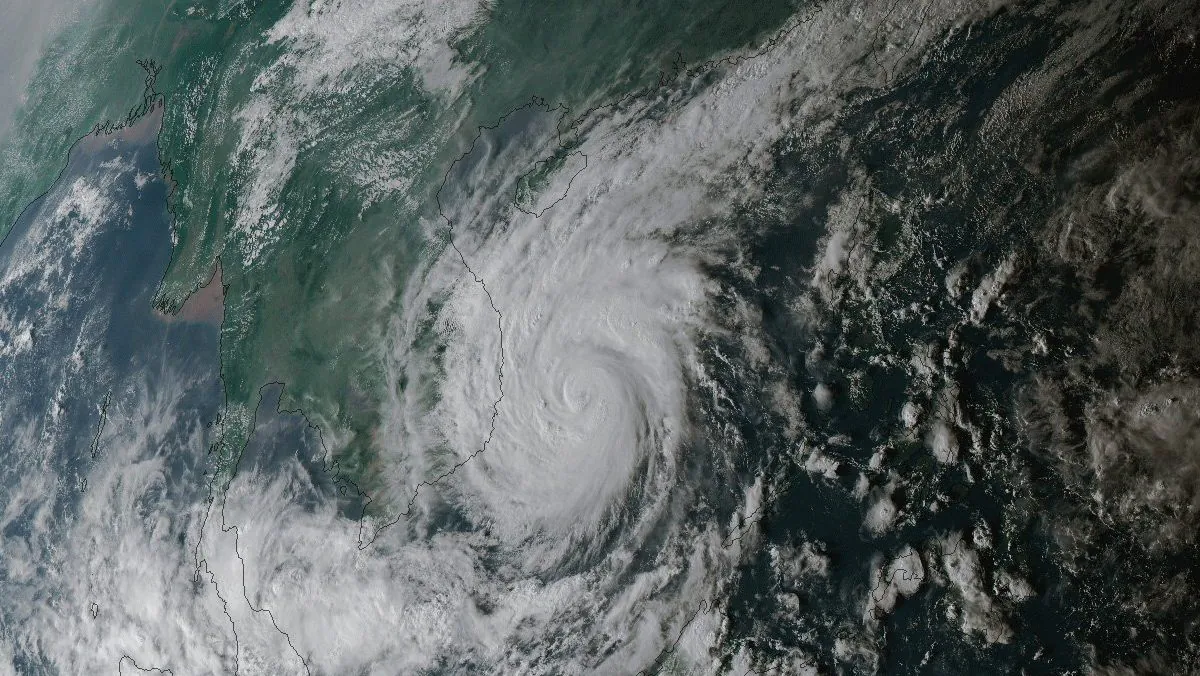
Due to its long coastline and varied landscapes, Vietnam is highly vulnerable to climate-related disasters, particularly floods and droughts. Natural disasters over the past decade have resulted in more than 9,500 casualties and annual economic losses equivalent to 1.5-1.8% of the national GDP.
These impacts are predicted to get worse under climate change as the frequency and intensity of extreme weather events increase. Dr Hong Do, from Nong Lam University – Ho Chi Minh City, and his team will investigate whether solar radiation modification (SRM) could reduce the predicted impacts of climate change in Vietnam.
They will model climate change scenarios with and without the use of SRM, and use these to conduct a pilot study on hydrological extremes in the Ba River Basin in South-Central Vietnam. As well as modelling SRM’s effects on floods and droughts, the study will incorporate how the region is becoming increasingly urban with rapid economic development.

Crucial research
The Ba River Basin is important for agriculture, but is also prone to droughts and floods, impacting water resources and crop production. Urbanisation over the last four decades has also led to rapid land-use changes, which influence how water moves through the basin.
From this first study, the team hopes their model can be adapted to other areas of Vietnam. This would build regional insights that could be used to make development decisions and contribute to a wider picture of whether SRM use would be beneficial or harmful to Vietnam, compared to unabated climate change.
Hong said: “Vietnam is considered one of the most hazard-prone countries globally, experiencing typhoons, floods, droughts, and landslides across its varied landscapes.”
“For example, the Mekong River Delta, home to about 17 million people and a crucial area for rice production, is particularly vulnerable to sea-level rise and salinity intrusion. In contrast, central and northern regions are expected to face more substantial damage from intensified storms.”
“For a country like Vietnam, accurate assessment of future climate extremes under various scenarios, including SRM, is therefore crucial for effective policy decisions.”
Creating community
Hong was previously part of a Degrees-funded team based in Indonesia, and now wants to build a Vietnamese SRM research community, ensuring policymakers can continue to benefit from in-country expertise. The initiative will be spearheaded by the Young Vietnamese Hydrologist Network, which comprises both domestic and international Vietnamese researchers with extensive expertise in hydroclimatic studies.
Alongside Hong and his team at Nong Lam University – Ho Chi Minh City, domestic collaborators are working at Thu Dau Mot University (TDMU), The University of Danang – University of Science and Technology (DUT), and Viet Nam National University Ho Chi Minh City University of Science (HCMUS).