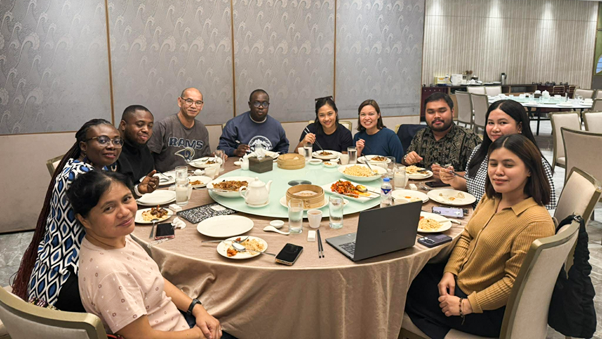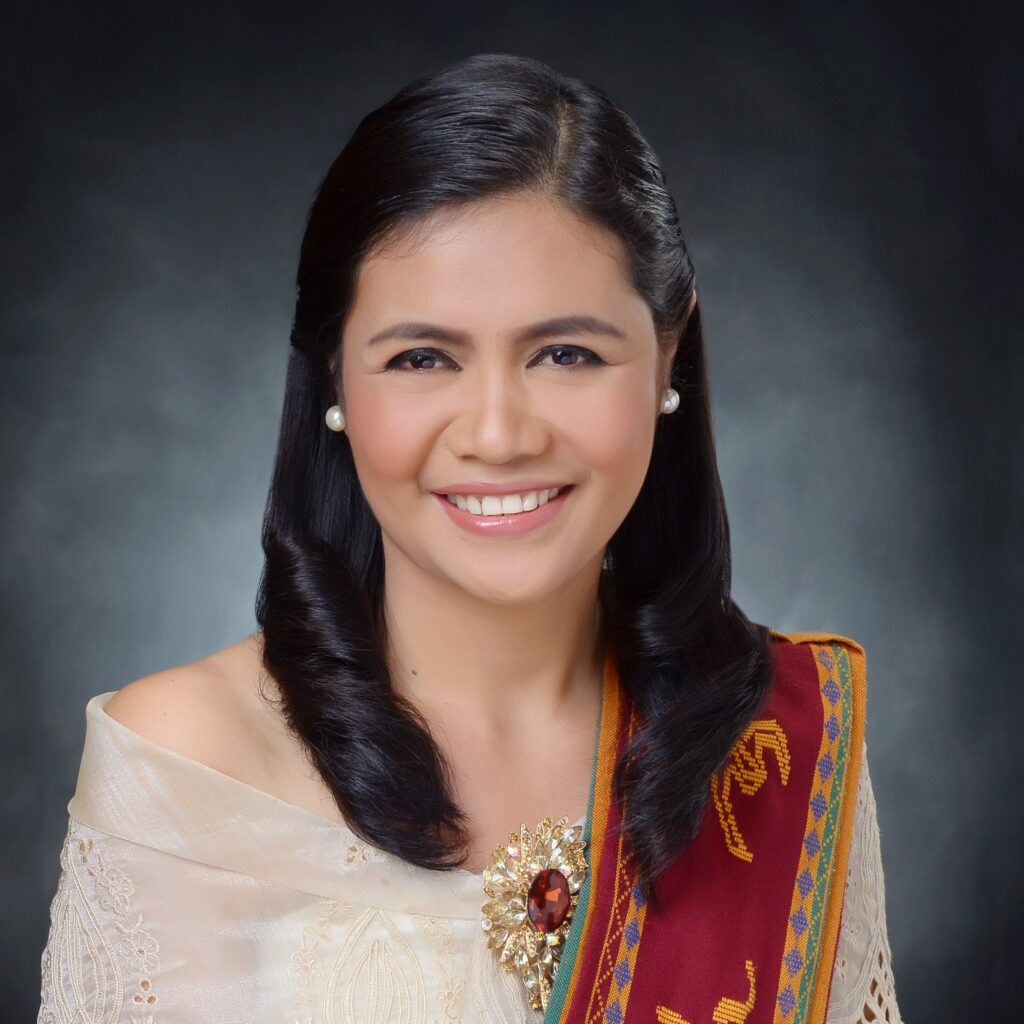
The Degrees-funded modelling team from the Philippines recently hosted their socio-political counterparts from Ghana for a series of events, including policy workshops and community engagement. The Philippines team’s Principal Investigator, Dr Lorena Sabino, shares her reflections on the collaboration.
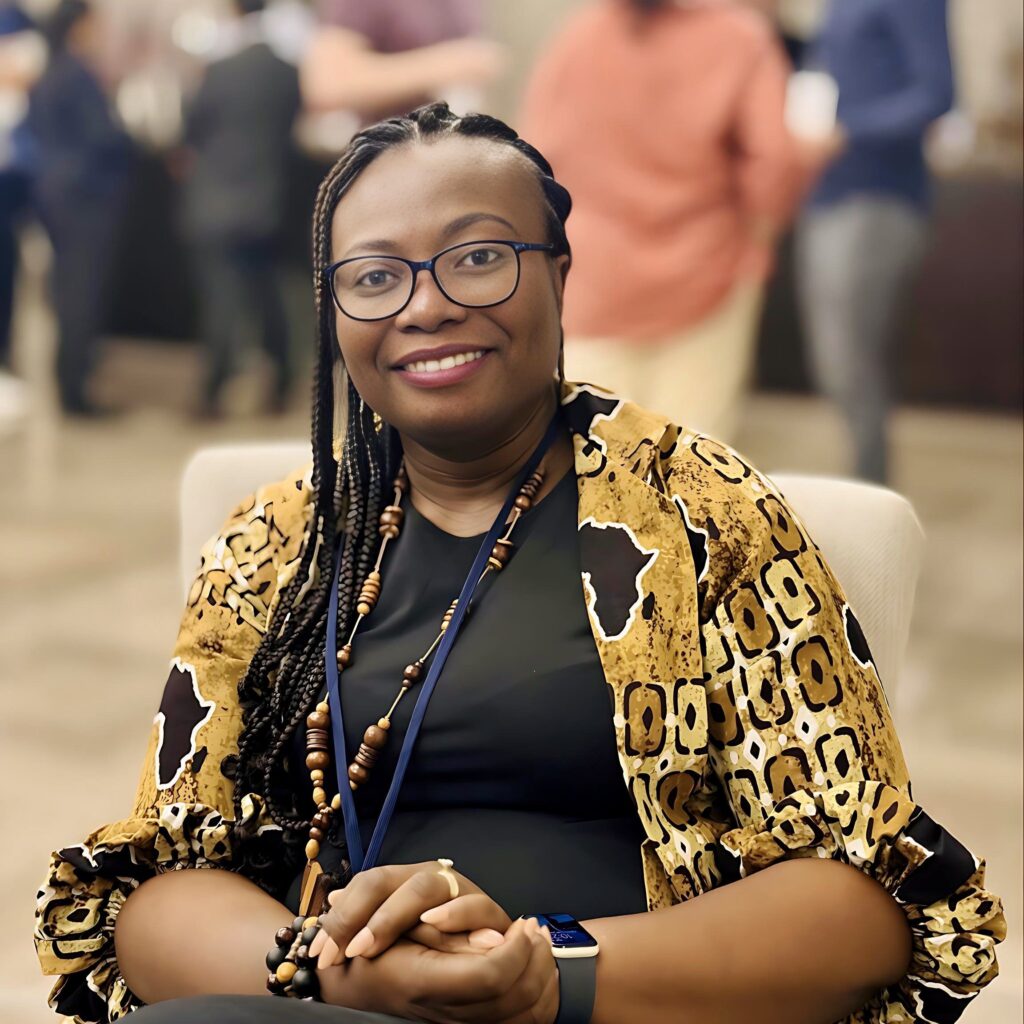
The Philippines Modelling Fund team recently had the privilege of hosting the Socio-Political Fund team from Ghana, including Dr Portia Adade Williams, Prof. Samuel Essien-Baidoo, and Mr Abdalla Mahama, through the ECLIPSE Project. This South–South collaboration created a valuable and enriching platform to explore the ethical, legal, and intergenerational dimensions of solar radiation modification (SRM) while strengthening shared approaches to governing emerging climate interventions.
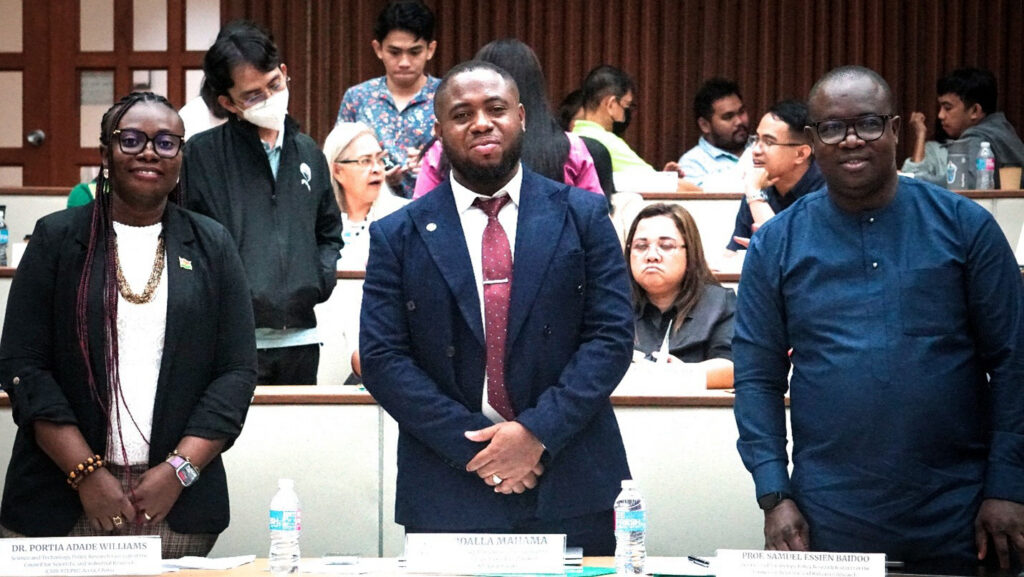
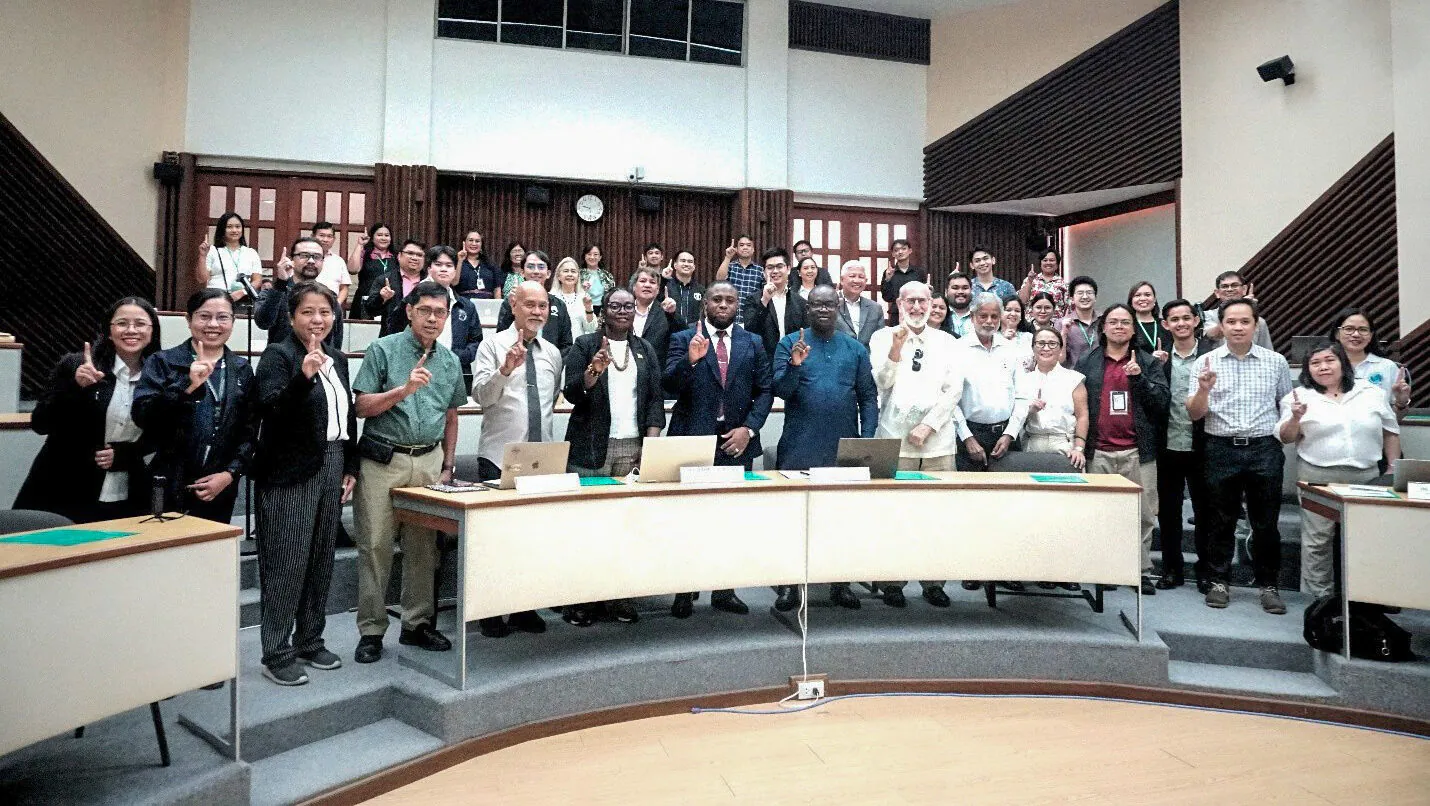
The visit, held from 13–18 April 2026, brought together a dynamic mix of activities, including institutional exchanges, a National Focus Group Discussion and Policy Workshop, and field-based validation engagements with local communities. The National Focus Group Discussion and Policy Workshop convened 37 stakeholders from academia, government, youth, civil society and grassroots sectors to reflect and engage deeply with the opportunities, risks, and governance challenges associated with SRM.
Towards a shared understanding
At the core of the visit was the 14 April national workshop, where insights from both the SRM policy matrix (with 35 participants) highlighted a clear and consistent perspective:
- 65.7% of participants supported cautious or research-based engagement
- 40% favored research with strict safeguards
- 44% initially expressed concern about potential SRM risks, with only a small number indicating clear support
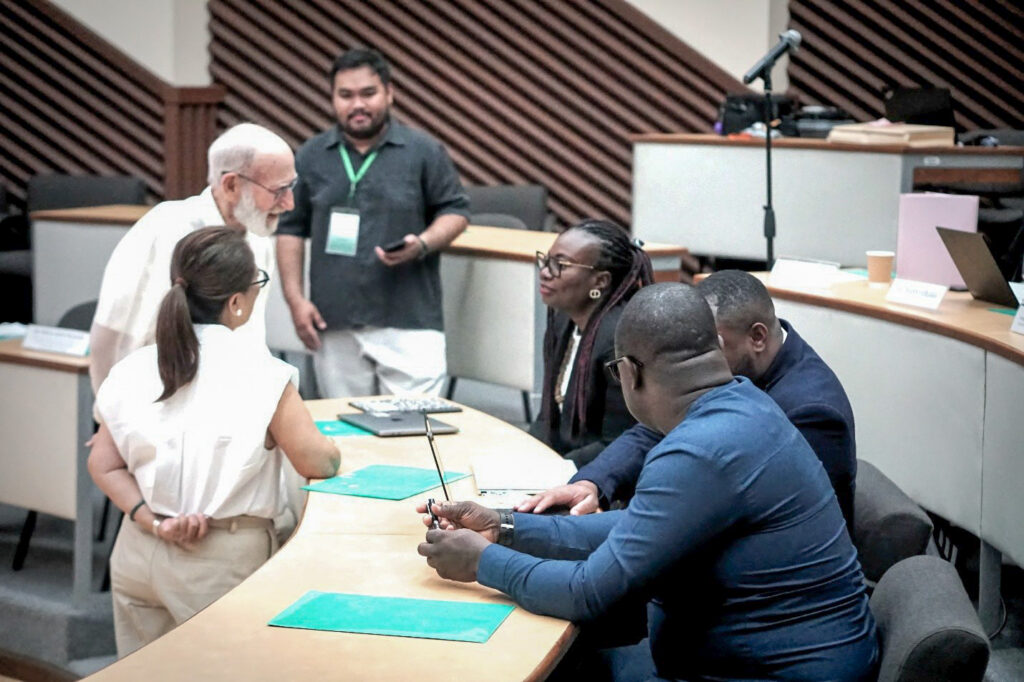
Interactive polling showed that awareness of SRM remains limited among participants, with only about 8% reporting high familiarity, underscoring the need for improved communication and broader public engagement. Across the discussions, several key themes emerged:
- Ethical concerns – high uncertainty, moral hazard, and accountability challenges
- Governance gaps – absence of clear regulatory frameworks at both global and national levels
- Socio-economic risks – potential impacts on agriculture, fisheries and vulnerable communities and populations
- Environmental uncertainty – risks to ecosystems and the possibility of irreversible impacts
- Low public awareness and trust gaps – need for inclusive dialogue and transparent communication
Despite these concerns, there was a shared understanding that SRM could be viewed as a possible supplementary tool, but not a replacement for mitigation and adaptation efforts.
Meaningful and impactful exchange
What made this exchange especially meaningful and impactful was the South–South collaboration. The Philippines and Ghana, though geographically distant and with different contexts, share similar climate vulnerabilities and a common commitment to ensuring that emerging climate technologies are governed in ways that are ethical, inclusive and just.
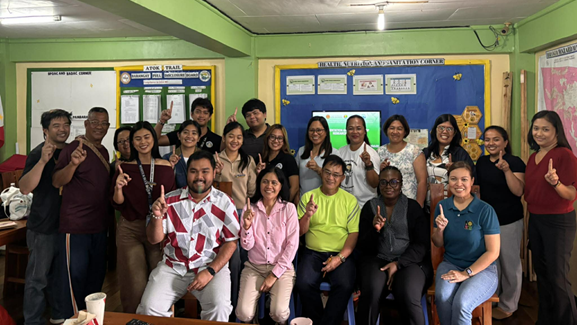
Beyond the workshop and formal discussions, the experience was enriched through field visits and community engagements, grounding the global discussions in real, lived realities. This collaboration reminds us that climate solutions are not just about technology; they are about people, trust and justice.
We look forward to the next chapter of this collaboration, entailing the upcoming visit of the Philippine team to Ghana, where learning, exchange and co-development of governance approaches will continue.