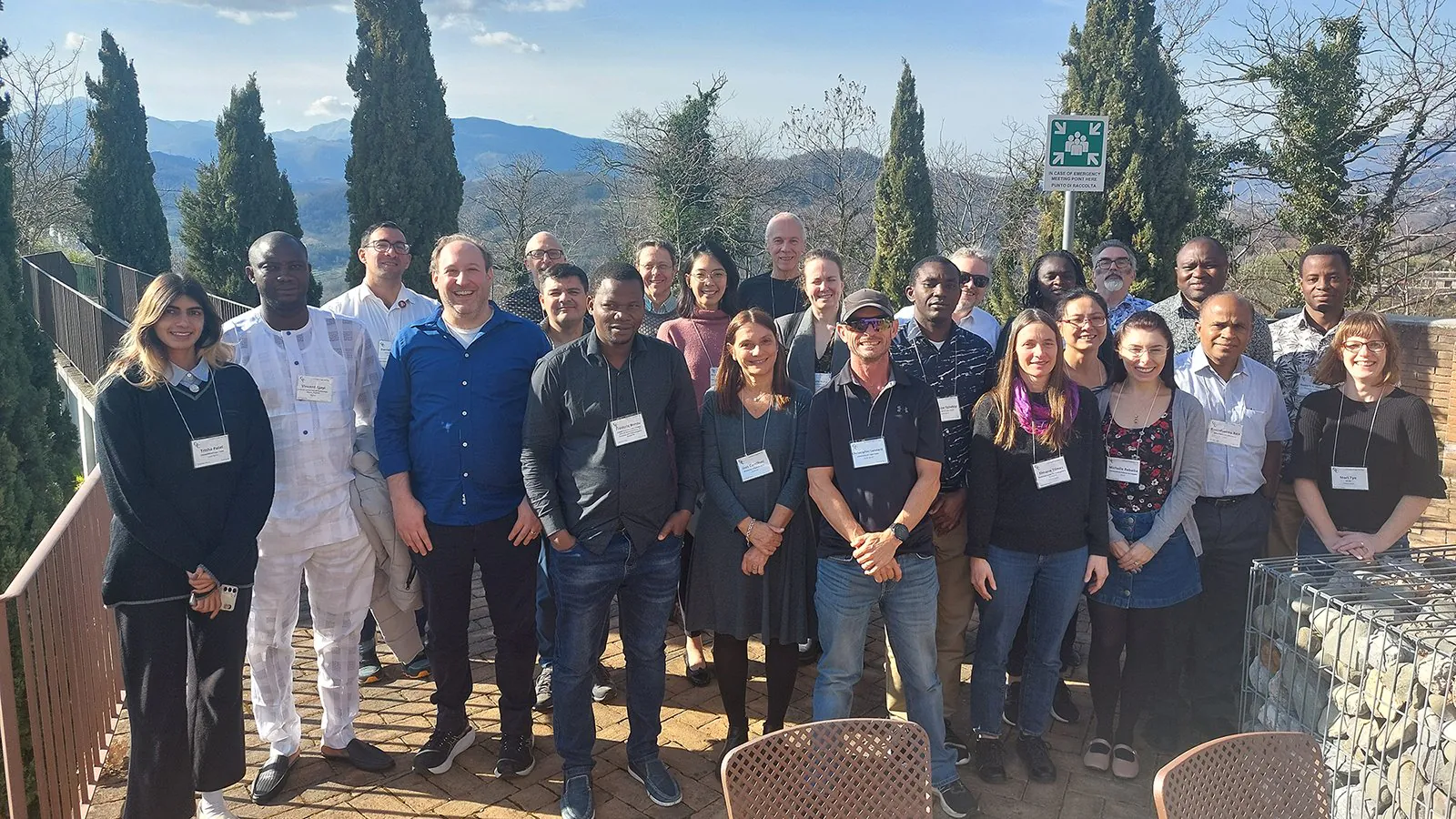
Twenty-four Degrees-funded scientists and research collaborators recently attended and led sessions at the Gordon Research Conference “Addressing Key Process and Impacts of Earth System Response to Solar Radiation Modification“, which took place in Italy in February. This conference brought together scientists from around the world to present their research, discuss the field’s key issues, and create and strengthen scientific communities.
Discussions covered a wide range of topics, including the need for robust scientific evidence to inform decision-making, the importance of growing SRM research in the Global South, interdisciplinary integration, and the evaluation of SRM’s expected impacts in the context of climate change.

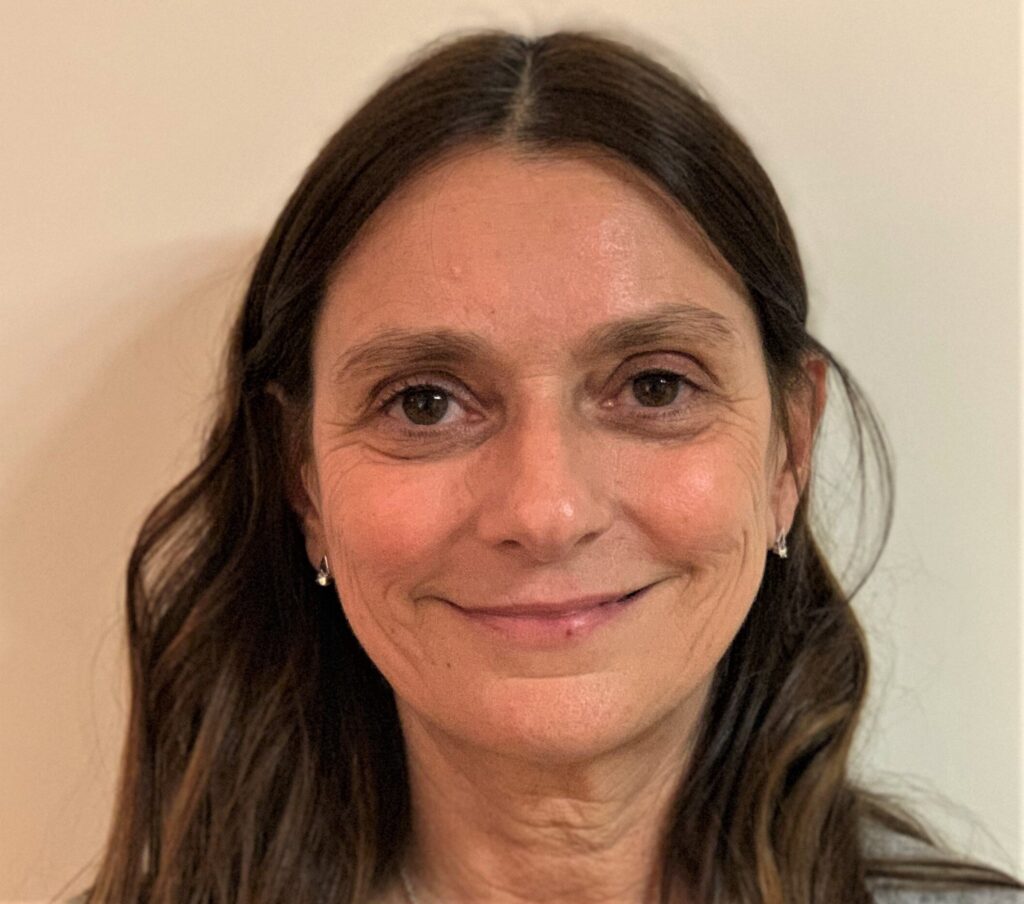
In a milestone for the Degrees Initiative, a plenary panel consisted entirely of scientists Degrees has supported. The panel’s moderator Inés Camilloni, who runs a project in Argentina and is also a research collaborator, opened by highlighting the importance of centring Global South voices in SRM research and spoke about the need for a global and inclusive conversation about responsible, safe, and transparent research.
Chris Lennard (South Africa) put Global South research on SRM in context, highlighting current research gaps and barriers, including access to infrastructure, funding, training opportunities, and data. Chris also spoke about an upcoming South Africa workshop, part of a recent funding package awarded for the development of an African research coalition on SRM.
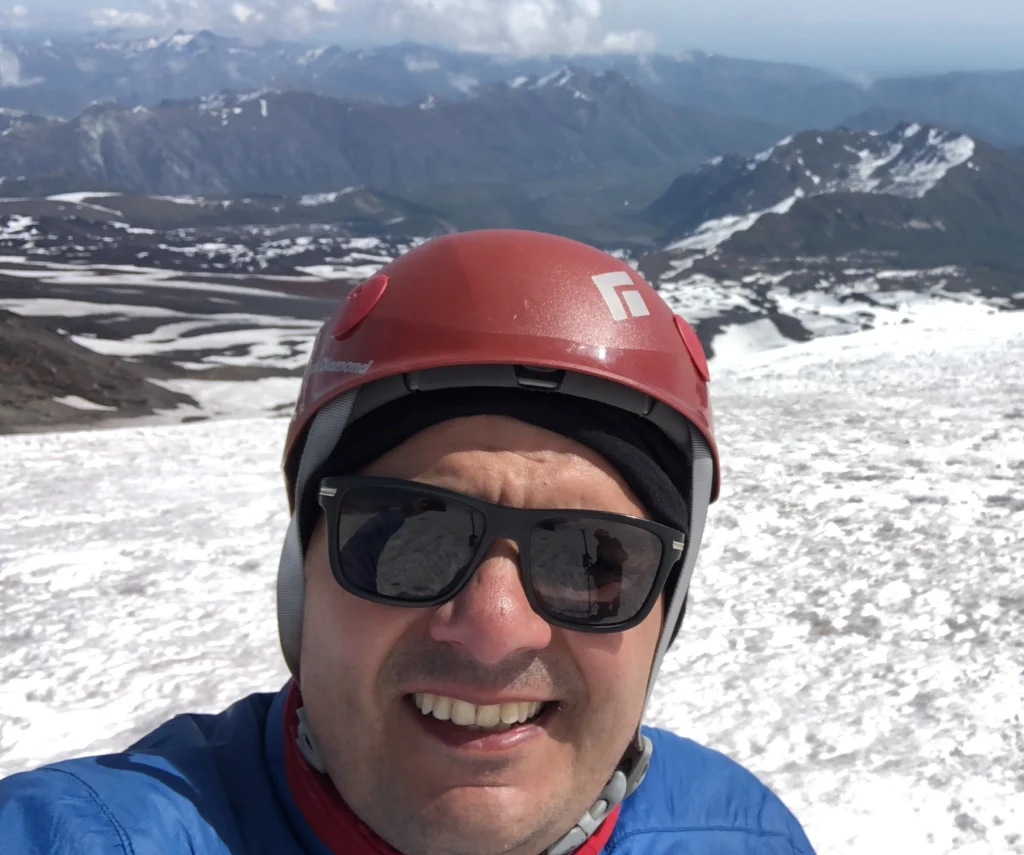
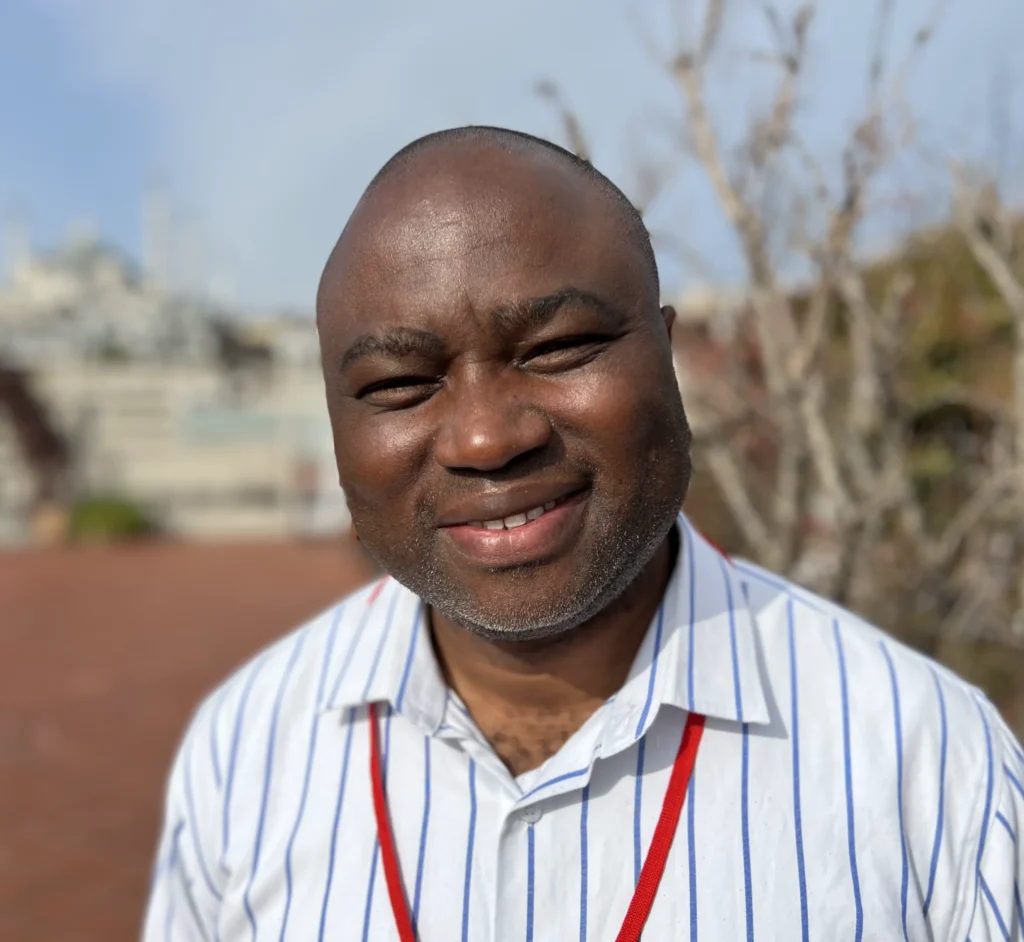
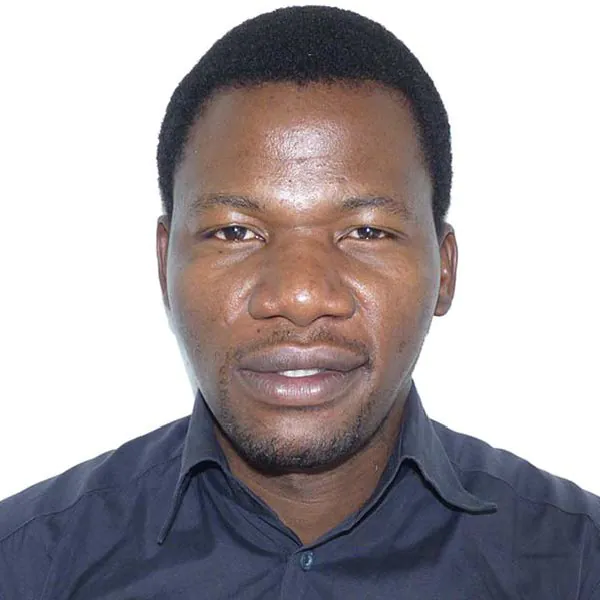
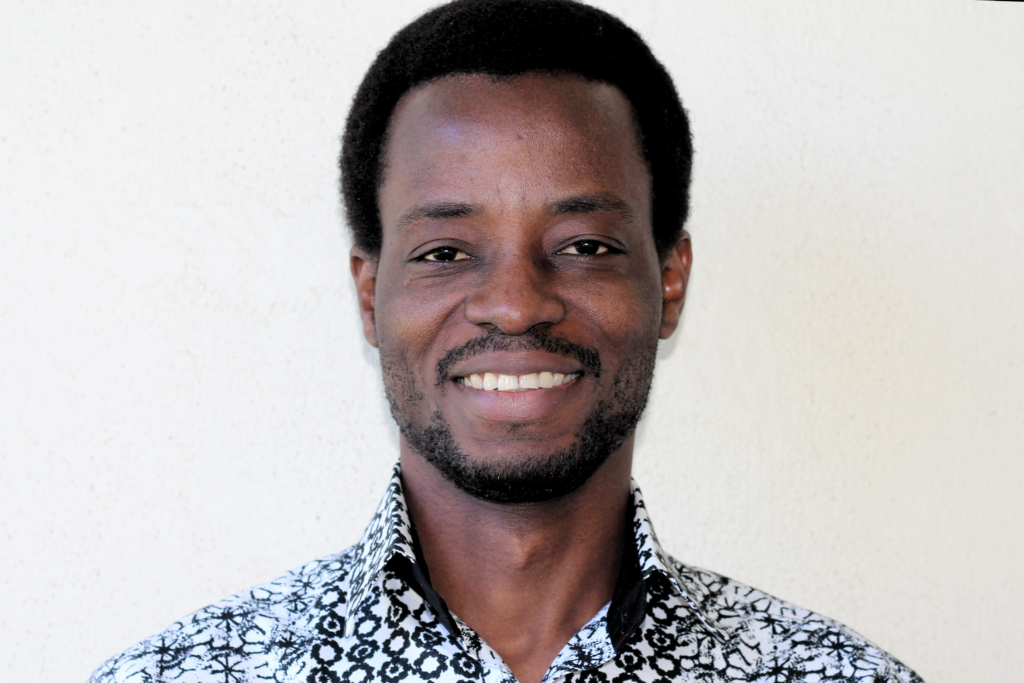
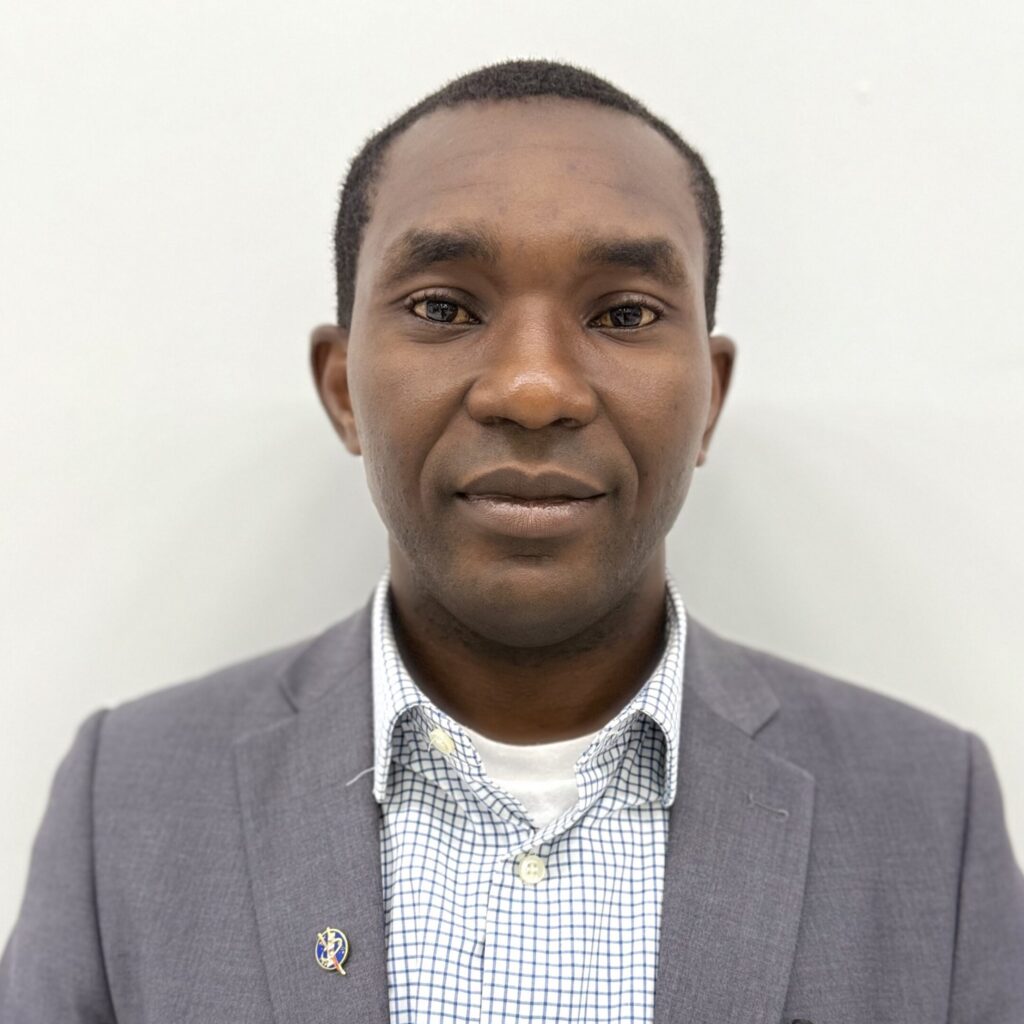
Four other Degrees-funded scientists presented their latest modelling results at the session: Pornampai ‘Ping Ping’ Narenpitak (Thailand) on precipitation and flooding, Babatunde Abiodun (South Africa) on livestock, Vincent Ajayi (Nigeria) on cereal crops, Michelle Reboita (Brazil) on extratropical cyclones in the southern hemisphere, and Alfonso Fernandez (Chile) on glaciers in South America.
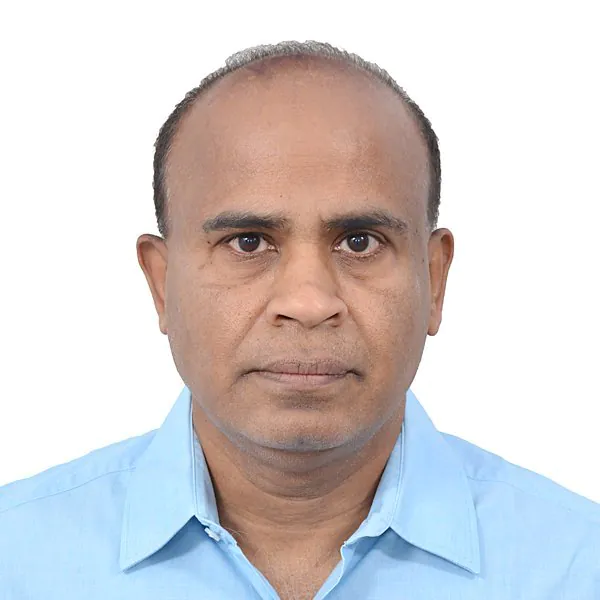
In addition, Govindasamy Bala (India)—a Degrees-funded scientist and research collaborator—delivered the conference’s opening plenary presentation, offering an overview of the latest evidence on the large-scale potential impacts of SRM.
Degrees staff led a side event to discuss how to expand research capacity further in the Global South. The event included discussions on addressing barriers such as access to and production of data and tools for data analysis, as well as the need to make progress towards the regionalisation of SRM research given the disparities in possible impacts and risks across different regions.
It’s clear from the week of discussions that the SRM conversation is expanding. It was welcome to see Global South scientists playing such central roles at the event – this growing expertise can’t be ignored in future governance discussions and decisions about SRM.
Degrees-funded scientists in attendance (12)
- Alfonso Fernández
- Babatunde Abiodun (also a research collaborator)
- Chris Lennard (also a research collaborator)
- Frédéric Bonou
- Govindasamy Bala (also a research collaborator)
- Inés Camilloni (also a research collaborator)
- Michelle Reboita
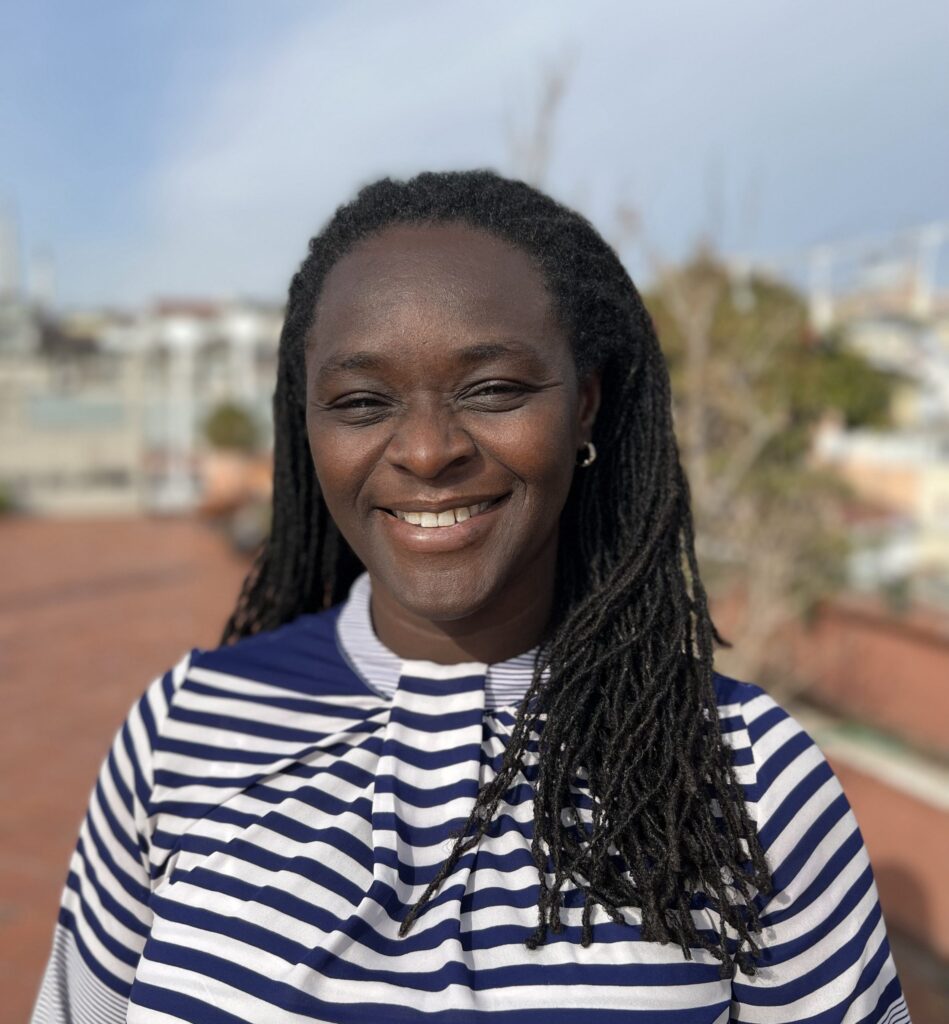
- Nana Ama Browne Klutse
- Pornampai ‘Ping Ping’ Narenpitak
- Romaric Odoulami
- Temitope Egbebiyi
- Trisha Patel
- Vincent Ajayi