Summary
This study uses GLENS climate model simulations to examine future dust concentrations in the Middle East and North Africa under high‑emissions warming (RCP8.5) and stratospheric aerosol intervention (SAI). Both scenarios reduce regional dust levels by up to 35%, mainly due to weaker winds, higher precipitation, increased soil moisture and expanded vegetation. SAI produces slightly stronger overall reductions, though in major summer dust hotspots (notably the Middle East) SAI leaves 5–15% more dust than RCP8.5. Wind speed and rainfall are the dominant controlling factors.
Abstract
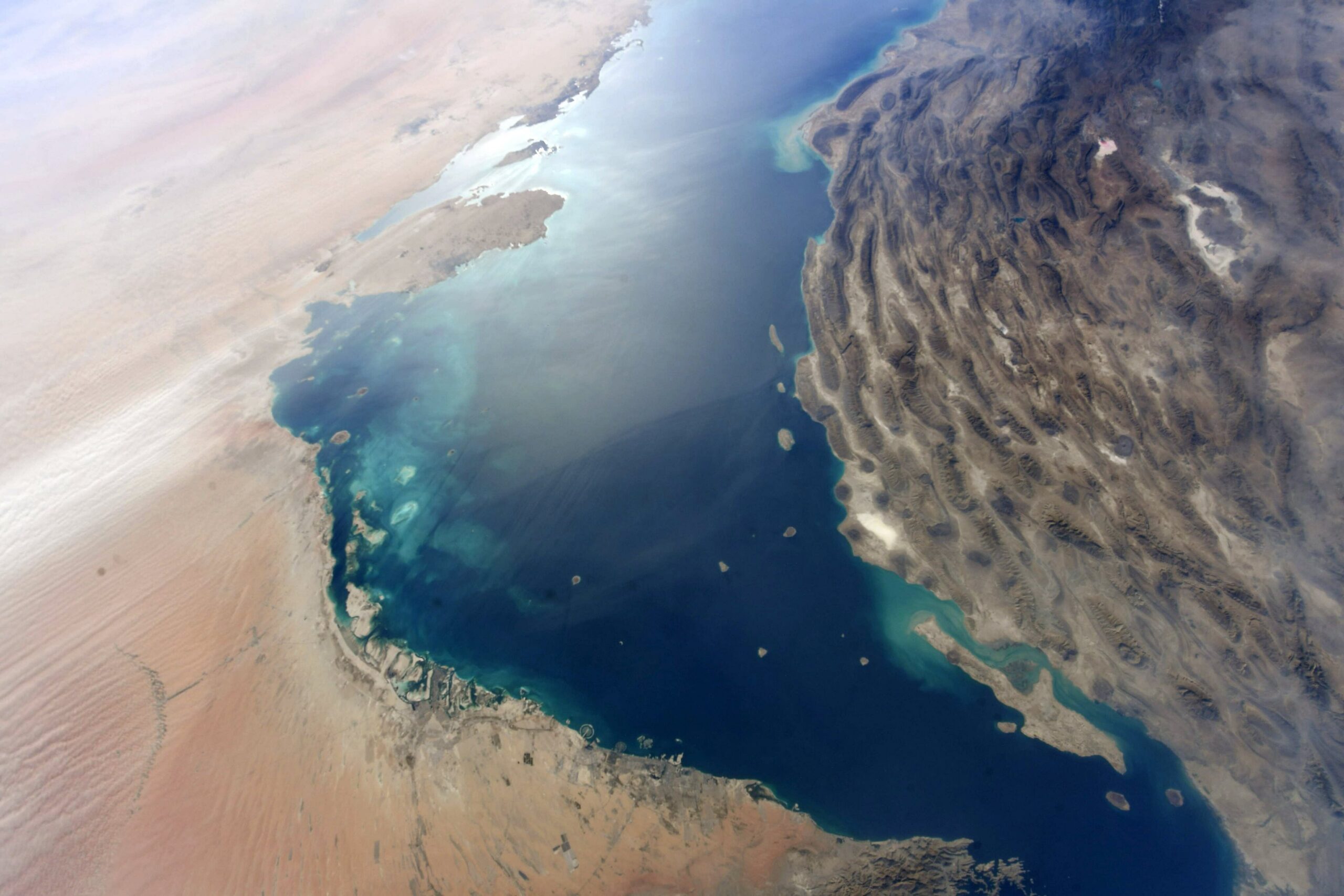
The Middle East and North Africa (MENA) region is the dustiest region in the world, and understanding the projected changes in the dust concentrations in the region is crucial. Stratospheric aerosol injection (SAI) geoengineering aims to reduce global warming by increasing the reflection of a small amount of the incoming solar radiation to space, hence reducing the global surface temperatures. Using the output from the Geoengineering Large Ensemble Project (GLENS), we show a reduction in the dust concentration in the MENA region under both the global warming (RCP8.5) and GLENS-SAI scenarios compared to the present-day climate. This reduction in dust over the whole MENA region is stronger under the SAI scenario, except over dust hotspots and for the dry season. In other words, in the summer, with the strongest dust events, more reduction has been projected for the global warming scenario compared to the SAI scenario. The maximum reduction in the dust concentrations in the MENA region (under both global warming and SAI) is due to the weakening of the dust hotspot emissions from the sources of the Middle East. Further analysis of the differences in the surface temperature, soil water, precipitation, leaf area index and near-surface wind speed provides some insights into the underlying physical mechanisms that determine the changes in the future dust concentrations in the MENA region. Detailed correlation analysis over dust hotspots indicates that lower future dust concentrations are controlled by lower wind speed and higher precipitation in these regions under both the RCP8.5 and SAI scenarios.