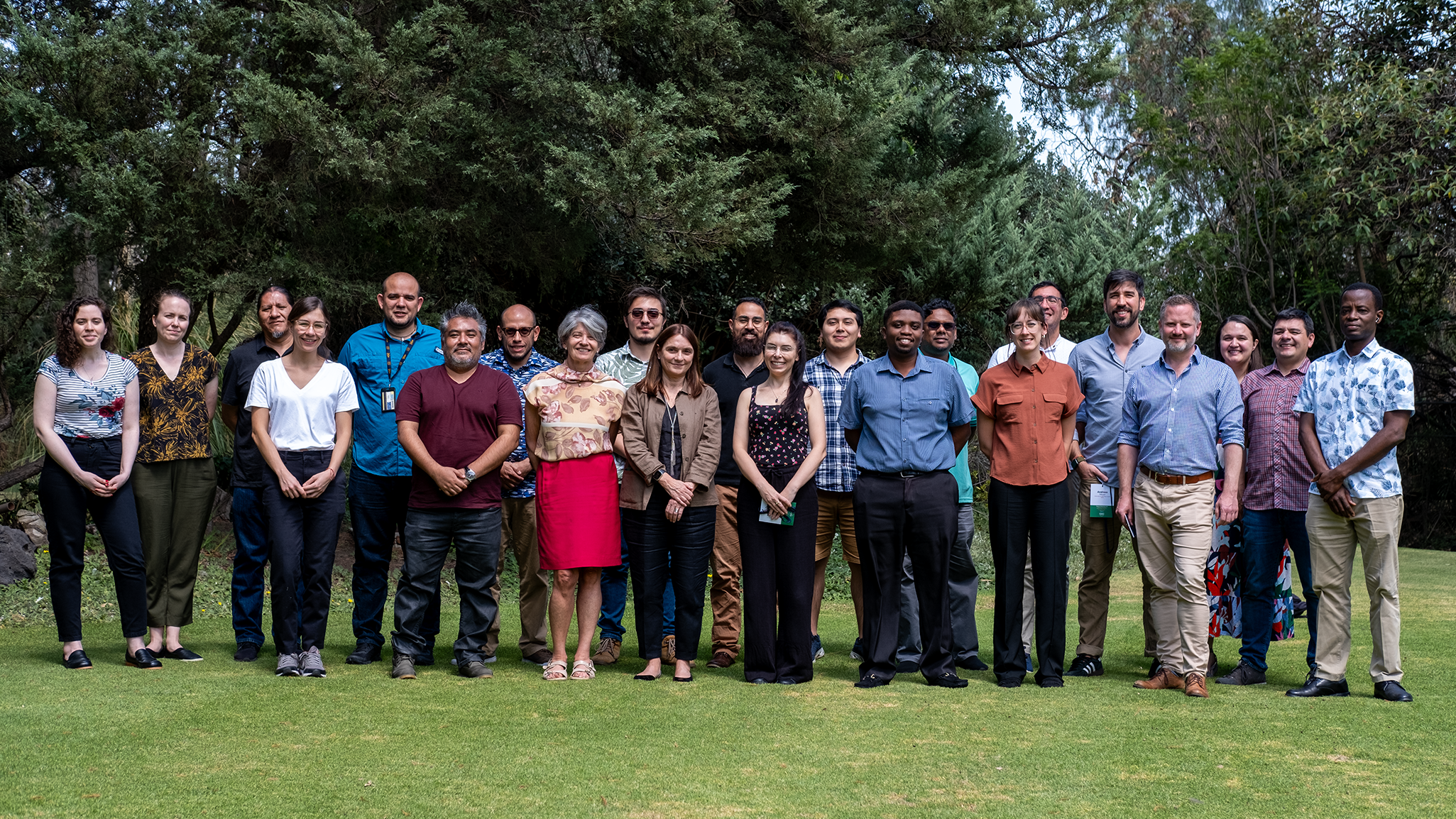
When Degrees announced support for two new research projects in Mexico back in March, it brought the number of Degrees-funded SRM modelling teams in Latin America and the Caribbean (LAC) to six. Naturally, this raised the question: how can these teams work together to identify and answer pressing questions about climate and SRM in the region? To address this, Degrees held a workshop in Mexico City from 18 to 20 June 2024, combining discussions on research planning and regionalisation in LAC. Hosted at the Botanical Gardens of the National Autonomous University of Mexico (UNAM), the event brought together the two new Mexican teams, members from seven different Degrees-funded projects across the LAC region and beyond, and two Degrees research collaborators.

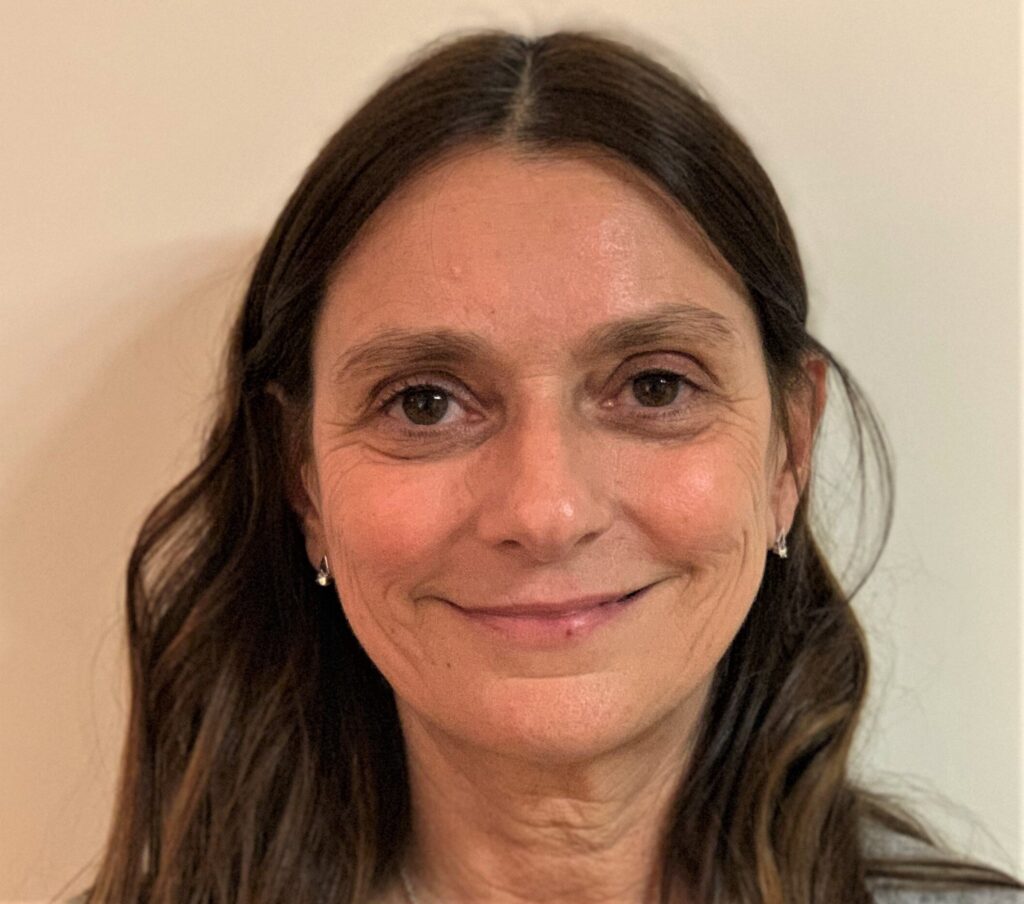
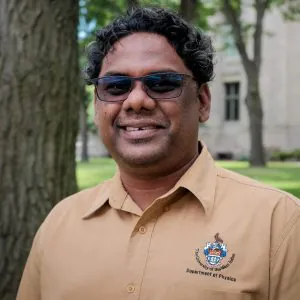
As with all newly funded teams, Degrees holds research planning workshops to help them get up to speed with the topic and receive feedback from current teams and collaborators. The first day of the workshop was dedicated to this, with the Mexican teams, led by Graciela Raga and Julián Velasco Vinasco, kicking off the event by presenting their research plans. The day progressed with presentations from various participants exploring the challenges and pitfalls of SRM, as well as the mechanics of SRM science, followed by unstructured time for the teams to work directly with their collaborators. Discussions at regionalisation workshops in Southeast Asia and South Africa earlier this year highlighted key obstacles for researchers working on SRM in the Global South. In LAC, many similar concerns were raised during a round-table discussion on the experiences of the current cohort. Key themes included the lack of subject knowledge and awareness, limited resources, and the need for greater access to and storage for data. The conversations also touched on other challenges, such as high teaching loads, limited human resources, and bureaucratic obstacles, which hinder research progress in many developing countries. In discussing regionalisation, it’s important for participants to ask each other: what might useful regional SRM research look like in their region? On day two, participants began to do just this. Project presentations from Degrees-funded teams in Chile, Brazil, and Jamaica helped set the scene. Building on this understanding of the current projects and the barriers they face, participants moved into structured breakout groups where they brainstormed ideas for useful regional research and considered research feasibility. The groups focused on high-impact topic areas that are relatively easy to model with available climate data – things like heatwaves, drought, and water scarcity.


The final day delved into the technical aspects of SRM research and concentrated on practical discussions over how the regionalisation of SRM modelling could proceed. Research collaborator Daniele Visioni gave a presentation on climate modelling data and the challenges of statistical downscaling. Participants then explored the practical feasibility of different forms of regional research collaboration, including writing a joint regional paper on SRM data requirements, forming a regional SRM research group, and developing a regional research hub, all to increase the impact of their research and secure additional funding. The workshop concluded with participants emphasising the importance of sustained funding and regular meetings, as well as outlining research priorities for future regional collaboration. Participants showed interest in developing regional reports on SRM and the potential of a regional research hub, although it was acknowledged that this might be a longer-term goal.

The workshop represented a significant milestone in advancing the regionalisation of SRM modelling science in Latin America and the Caribbean. By encouraging collaboration and sharing expertise, the event laid the groundwork for a more integrated and coordinated approach to addressing climate change risks in the region. Degrees looks forward to continuing the conversation around the regionalisation of SRM research in the Latin American and Caribbean region in a follow-up workshop next year.
Workshop participants
Degrees-funded scientists
- Sandra Marisol Ramírez Barrera
- Inés Camilloni
- Leonardo Clarke
- Alfonso Fernández
- Francisco Manquehual
- Andreas Meyer
- Romaric Odoulami
- Francisco Estrada Porrúa
- David Prieto-Torres
- Graciela Binimelis de Raga
- Gabriela Raggio
- Michelle Simões Reboita
- Juan Daniel Restrepo
- João Gabriel Martins Ribeiro
- Constantino Gonzalez Salazar
- Julián Velasco
- Matthew Williams
Research collaborators
- Kate Ricke
- Daniele Visioni
Degrees staff
- Lyndsey Croal
- Grace Nicholson
- Andy Parker
- Nick Zuniga